Moneyball, but Make It Pull-Ups: What Happens When You Feed NHL Combine Results Into a Spreadsheet and Trust the Process
What started as a harmless look at NHL Combine results spiraled into an Excel-fueled quest to uncover the draft's biggest risers, sleepers, and athletic freaks.

The NHL Draft Combine took place in the first week of June this year. It’s a week long event where the top 90 prospects are invited to participate in fitness testing, physical and medical evaluations, and interviews. Teams use it as a final opportunity to gauge prospects, both physically and psychologically.
While many organizations leverage this information, historically it hasn’t been the be-all, end-all for prospects. One great example is Sam Bennett. Once considered a possible first overall pick, Bennett failed to record a single pull-up at the NHL combine in his draft year. Some truly believe this made him slip to the fourth overall pick that year, where he was quickly selected by Brian Burke and the Calgary Flames. Burke famously went on to say,
“This kid is a mean little cuss. They’re making fun of him because he couldn’t do any pull-ups at the combine, I don’t give a hoot if he can do pull-ups.”
Look at Bennett’s career now. Burke was on to something.
Throwback to when Sam Bennett put up a goose egg on the pull-up bar at the 2014 NHL Draft Combine 😅
— B/R Open Ice (@BR_OpenIce) June 4, 2025
Bennett has come a long way since 💪 pic.twitter.com/7oJEkUCJrO
So, long story short, it’s always best to take these draft combine results with a grain of salt. At the top of the draft, there will always be intangible skills that separate players that aren’t necessarily assessed at this event. However, for the most part, it is still objectively helpful data. As you get deeper into the draft, and if you have two prospects ranked closely, it can help you build and prioritize separation between individual prospects.
This year, the combine featured 15 different tests for prospects. Some of them were: grip strength, bench press, wingspan, VO2 aerobic fitness, pull-ups, and several agility and anaerobic tests. However, aside from tests, teams each had the chance to interview top prospects and even take several out to dinner for a more formal process.
Some interviews got a bit strange, especially with the Montreal Canadiens. They’ve become famous starting to ask odd questions a couple of years ago. They posed a scenario to a player, asking him if he were a naval captain and had to bomb an enemy submarine but had teammates in the water, would he follow through? Since the Canadiens have that longstanding reputation for asking unconventional interview questions, many people surmise that the question reportedly posed to Caleb Malhotra—whether he would commit murder for a bottle of water in the desert—came from Montreal, even though the team involved has remained unconfirmed. They also had players attempt to toss a puck across a room into a garbage can:
Chase Reid said the Habs asked prospects at the NHL Combine to try and throw a puck into a garbage can.
— Marco D'Amico (@mndamico) June 5, 2026
They could throw from anywhere in the room, and, if they missed, MTL wouldn't draft them.
Pressure test, if you may.
Reid and Caleb Malhotra went to the end of the room and…
As far as we’re aware, the only question or test revealed from the New York Rangers was handing prospects a card with the numbers 1-100 in random locations and asking them to find the numbers in order in under 60 seconds. A bit odd, to be sure, but I imagine it’s meant to measure something profound and important that the Rangers' think tank cooked up. Drury is the smartest man in any room of course, didn't you know?
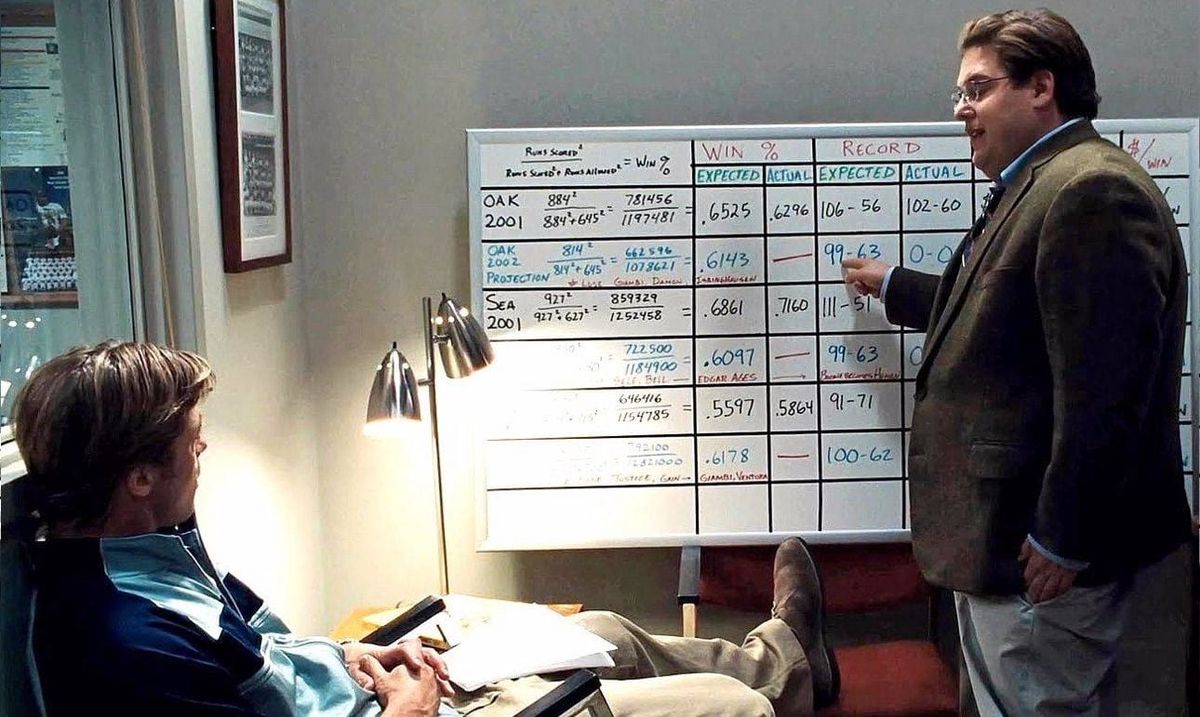
Now, to the crux of all this: the NHL Combine event data. The NHL released the top 25 or so performers in each event. I took those results and assigned a numeric value to each participant: for example, the top performer in each fitness test received 25 points, the second-place performer received 24 points, and so on.