
3 Takeaways From the 2026 NHL Trade Deadline
This year’s NHL trade deadline told a bigger story than just who moved where. From new CBA rules to inflated center prices and powerful no-trade clauses, the landscape of the league is shifting.

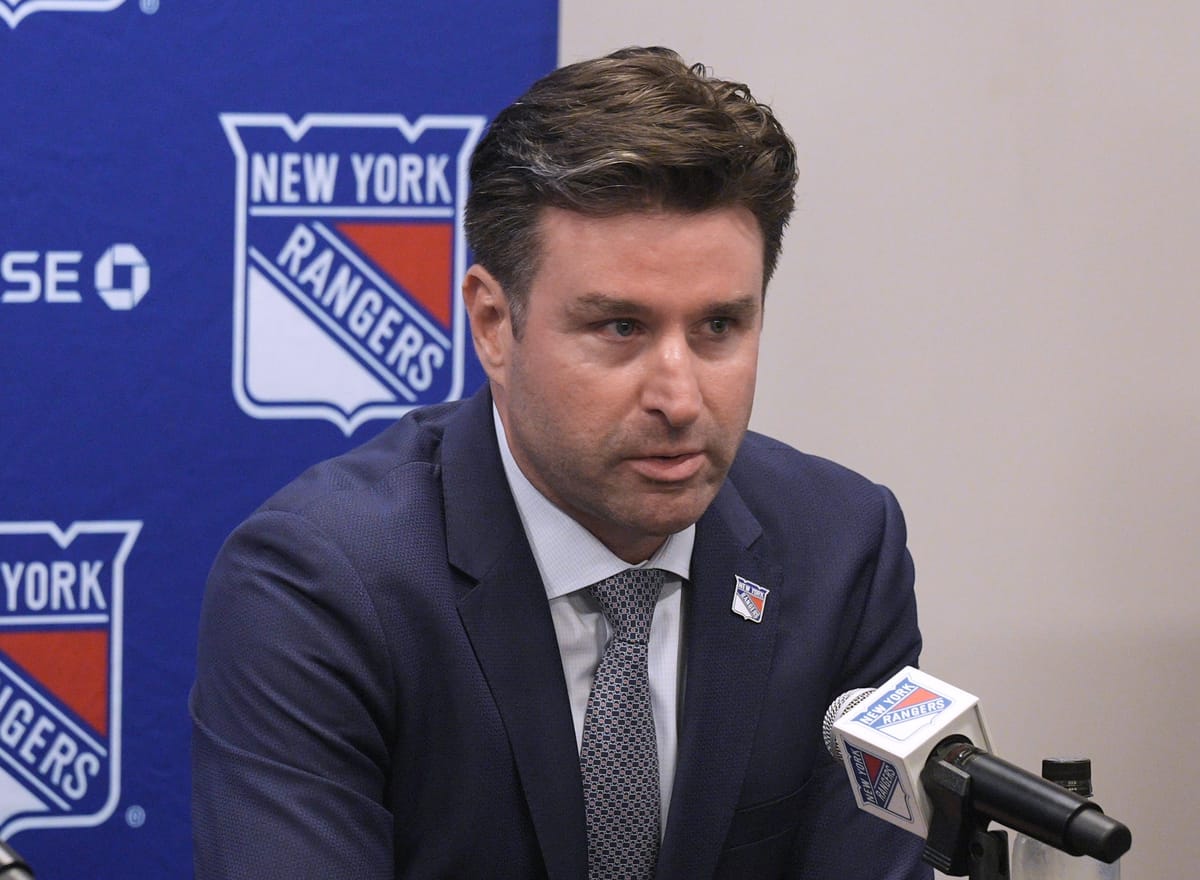
Every year, the trade deadline reshapes the landscape of the NHL. Teams have the opportunity to alter their identity in a way that won't only stick with them through the remainder of this season, but will also define how they approach the offseason.
This season's trade deadline featured plenty of intriguing deals, but what did fans learn from these transactions?
1) New CBA Rules Limited Big Deadline Moves
At the beginning of this season, new rules on how the salary cap is regulated were introduced to the collective bargaining agreement. While it is still true that if a player is placed on long-term injured reserve their cap hit comes off the books, the new CBA made it so that teams must be salary cap-compliant in the playoffs. Previously, teams only had to be cap-compliant during the regular season. As a result, contenders could stash their stars on injured reserve until the postseason began and would add at the trade deadline seemingly without regard to their salary cap position.
For example, last season the Stanley Cup champion Florida Panthers took full advantage of this. After the 4 Nations Face-Off, star forward Matthew Tkachuk was placed on long-term injured reserve and would not be activated until the start of the Stanley Cup playoffs.
With Tkachuk's salary no longer counting against the cap, and teams only needing to be cap compliant in the regular season, this greatly helped the Panthers bring in Brad Marchand and Seth Jones, who were crucial in their playoff run. Marchand had 20 points in 23 games during Florida's Stanley Cup run and finished second in Conn Smythe voting, only behind teammate Sam Bennett. Jones recorded nine points from the blue line, while also bringing a strong defensive game.
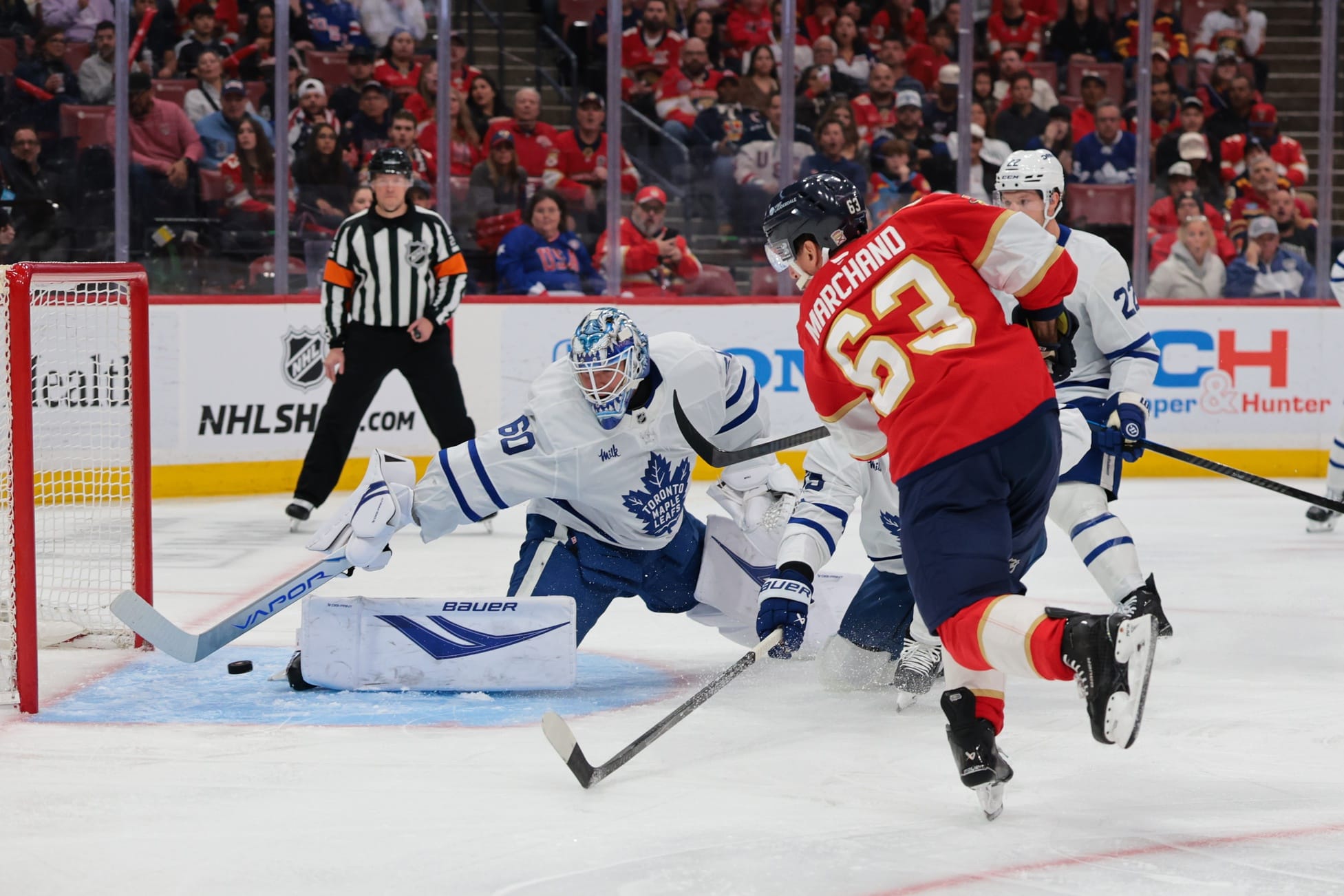
With the new rules in effect, these types of trades did not happened. The closest was veteran defenseman John Carlson being traded from the Washington Capitals to the Anaheim Ducks. Carlson has a cap hit of $8 million, none of which was retained by the Capitals. While top teams would have loved to add someone as talented and playoff-tested as Carlson, a contract of that magnitude is something most of them simply couldn't afford.
This is exactly what allowed the Ducks to swoop in and acquire the former Stanley Cup champion. Anaheim, an ascending team with young stars who haven't made the postseason since the 2017-18 season, has the cap space to add Carlson now and carry him through the playoffs, whereas teams filled with veterans and large contracts will now have a hard time making such moves.